Men
Performance Anxiety
Men
Performance Anxiety
Good News!
We’re upgrading your experience by moving our monthly care program to our parent company, TeleMed2U.
You’ll enjoy the same great care — with more convenience and support. You’ll be redirected shortly, or click below to sign up on TeleMed2U.

Anxiety is a normal part of life and, in the right moments, can be critical for our survival by warning us of clear and present danger. In some ways, anxiety can be compared to a guardian angel that gives us a heads up when something is awry. But for those whose anxiety is severe and sustained, it can be the very devil.
For some, anxiety can be so severe, that it becomes nearly impossible to function day to day. Seemingly simple tasks like leaving the house, driving a car, socializing with friends, and even getting a good night’s sleep, can prove too difficult a task.
An overwhelming feeling of anxiety can be just as tormenting as any physical pain, and because it often doesn’t carry any outward, obvious symptoms, you may be left to suffer in silence. it’s reassuring then to know that you’re not alone. Anxiety affects around 40 million adults in the United States alone.
As a first line of defence, many sufferers often turn to medication. While the right medication may be great for treating symptoms of anxiety, the effect of medications may not last and taking medication doesn't really address the underlying issue. In fact, in some cases, long-term use of certain medications may be detrmental.
As a rule of thumb, if your anxiety is so intense, excessive, and persistent that it interferes with your ability to function day to day, then you may want to talk to your doctor about taking medication.
Here are the tell-tale signs that your anxiety may be getting out of hand:
The earlier you recognize these symptoms, the easier it can be to treat them. Speak with your doctor as soon as possible if you are experiencing these symptoms; together you can explore your options and decide on the best treatment course for you.
In the moments leading up to a dreadful panic attack, popping pills can seem like the only useful option for someone who is desperate to relieve their suffering, and before you know it, what was intended as a short-term, occasional treatment, soon becomes your go-to remedy for alleviating your feelings of apprehension.
In actuality, taking a pill for your anxiety is like putting a Band-Aid on a deep gash – it may temporarily stop the symptoms, but it does not address the root cause.
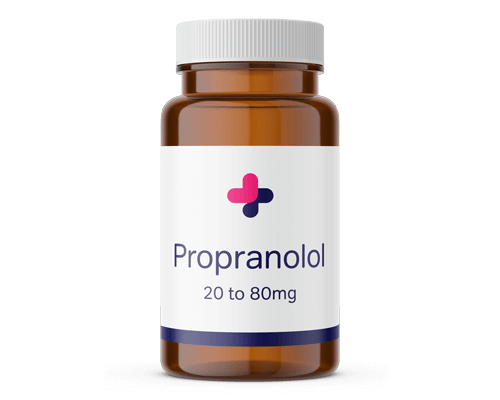
There are a whole host of anti-anxiety medications, including benzodiazepines, selective serotonin reuptake inhibitors (SSRIs), beta-blockers, and pregabalin. Yet such medications are all too often overprescribed, and some, such as benzodiazepines, can lead to addiction. Side effects are also common, leaving anxiety sufferers with the unpleasant decisions about the pros and cons of taking medication to begin with.
Here are some reasons why drugs may not always be the best solution:
Side-effects are also common and can include:
On the flip side, anti-anxiety medications do have their perks, just as long as you know that there is a right time and a place for them.
Despite the disadvantages of these drugs, if you genuinely feel that you need medication, there’s no shame in asking for help. In fact, when taken safely and combined with therapy and lifestyle changes, the pros can far outweigh the cons.
So, if you feel like you’ve reached your wits’ end, it might be a good idea to ask your doctor to add a suitable medication to your treatment plan.
Here are some benefits of taking anti-anxiety drugs:
Unfortunately, anti-anxiety medications aren’t magic pills that instantly solve all of life’s problems. The calming effects of anxiety medication - minus the scary side-effects - can also be achieved through other means, such as therapy, exercise, and other self-help strategies.
What’s more, some of these methods can also help you identify and address the underlying triggers of your anxiety, proving to be a much more effective solution in the long run. Let’s take a closer look at what these options are:
Although anxiety can make you feel like you're being consumed from the inside out, having multiple treatment methods at hand can help you take control.
To begin with, a drug-free method is often the best approach; altering your lifestyle and state of mind may be be the most effective option for providing relief in the long-term.
If your symptoms don’t get better, then you always try medication as well – just remember that this shouldn't be your first or only treatment option.
At the end of the day, there’s no one-size-fits-all approach when it comes to battling anxiety; speak with your doctor and together you can decide on which options are best for you.

Message Sent We will get back to you as soon as possible

To get fast delivery and the best prices,
choose your location below:

Delivery to Germany only

Delivery to the US only

Delivery to UK only


You’ve successfully logged in.